
Have you ever looked up on a bright sunny day and wondered, “Why is the sky blue?” It seems like a simple question, but the answer involves an amazing science phenomenon involving light and our atmosphere.
Let’s uncover the mystery behind the beautiful blue sky!
What Is Sunlight Made Of?
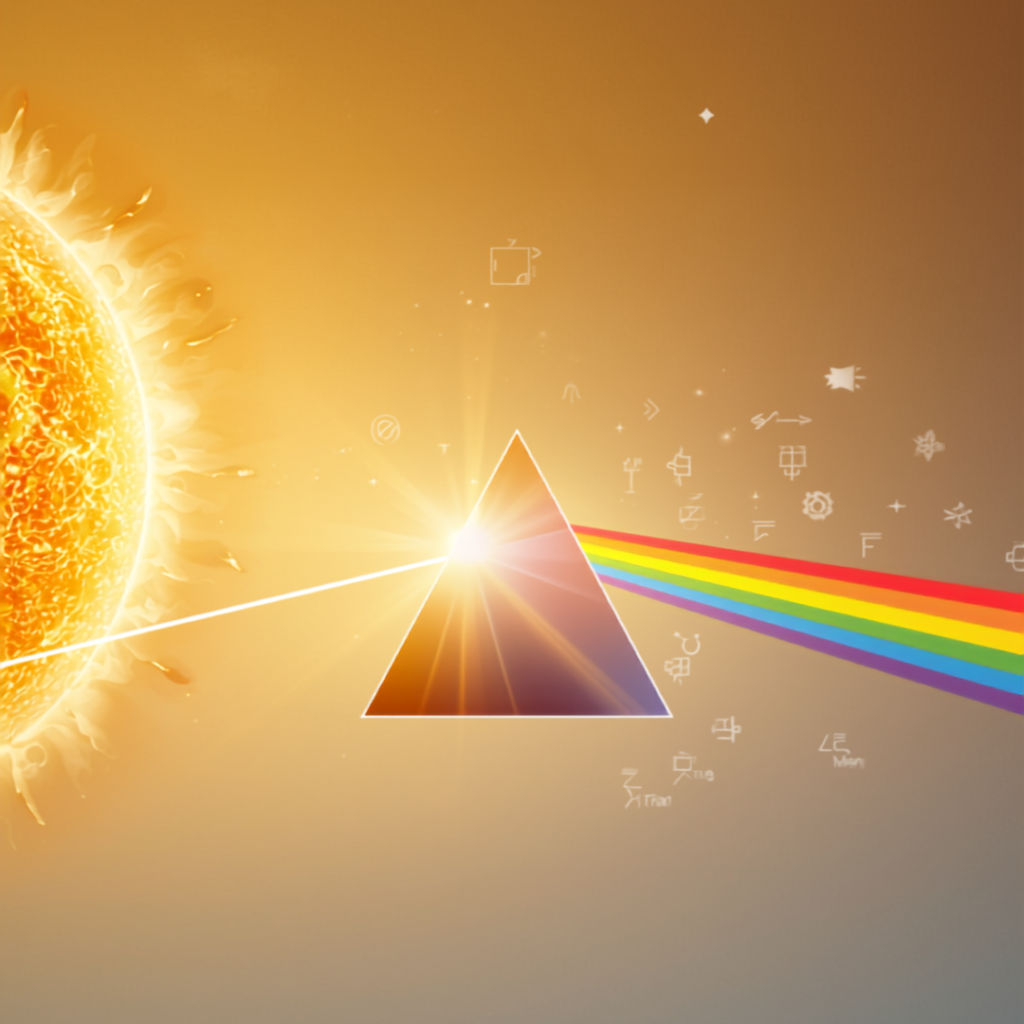
Although sunlight appears white, it is actually made up of many different colors.
These colors are:
- Red
- Orange
- Yellow
- Green
- Blue
- Indigo
- Violet
Together, these colors form what we call the visible spectrum.
You can see these colors when sunlight passes through a prism or forms a rainbow after rain.
Earth’s Atmosphere: More Than Just Air
Before sunlight reaches our eyes, it must pass through Earth’s atmosphere.
The atmosphere contains:
- Oxygen molecules
- Nitrogen molecules
- Water vapor
- Tiny dust particles
As sunlight travels through the atmosphere, it interacts with these tiny particles.
The Scattering of Light
When sunlight hits air molecules, the different colors of light scatter in different directions.
Scientists call this process scattering.
Blue and violet light have shorter wavelengths than other colors, which means they scatter much more easily than red or yellow light.
As a result, blue light spreads across the sky in all directions.
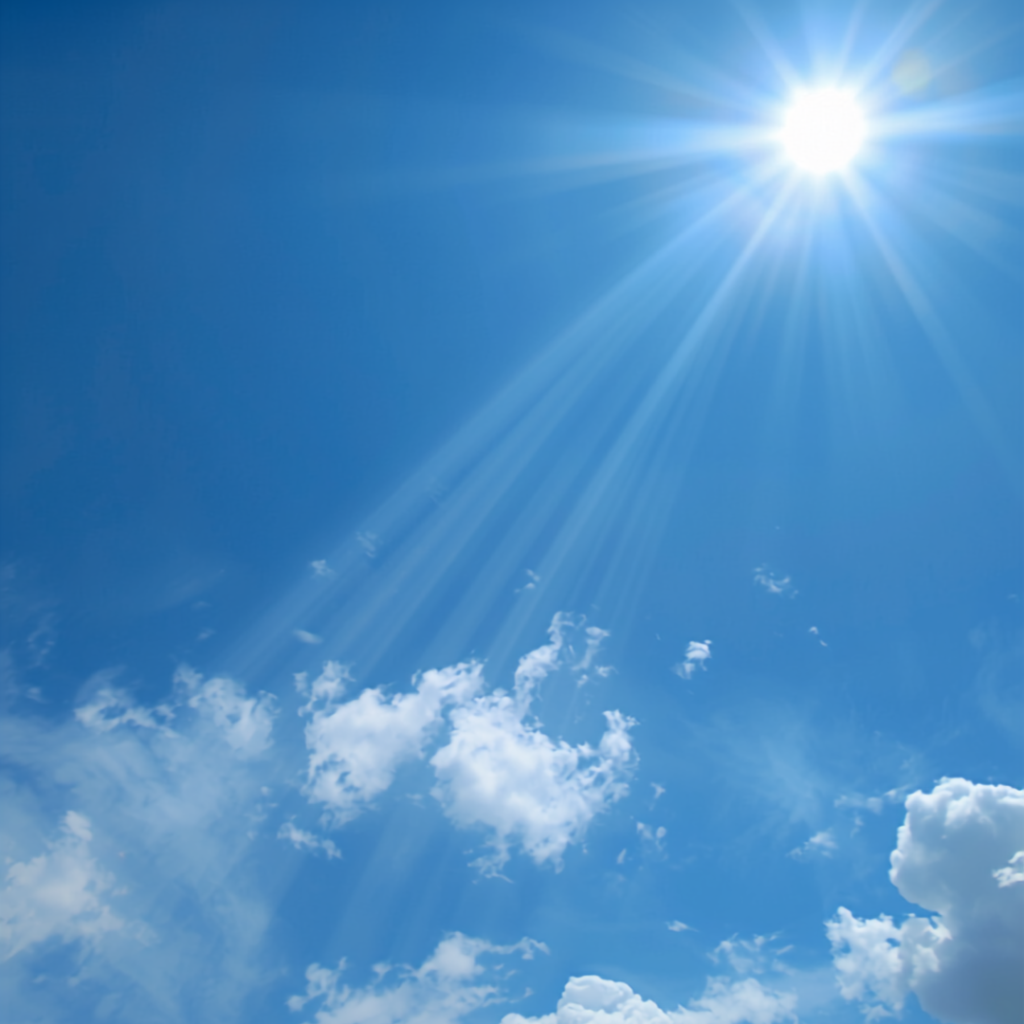
When we look up, we see this scattered blue light coming from every part of the sky that’s why the sky appears blue!
Why Don’t We See a Violet Sky?
If violet light scatters even more than blue light, shouldn’t the sky look violet?
Good question!
There are two main reasons:
- The Sun produces slightly less violet light than blue light.
- Human eyes are more sensitive to blue light than violet light.
Because of this, our brains perceive the sky as blue instead of violet.
Why Is the Sky Red or Orange at Sunset?
Have you noticed that sunsets often appear red, orange, or pink?
At sunrise and sunset, sunlight has to travel through a much thicker layer of atmosphere.
Most of the blue light gets scattered away before reaching our eyes.
The longer wavelengths, such as red and orange, continue traveling through the atmosphere and become the dominant colors we see. This creates the beautiful colors of dawn and dusk.
What About the Sky in Space?
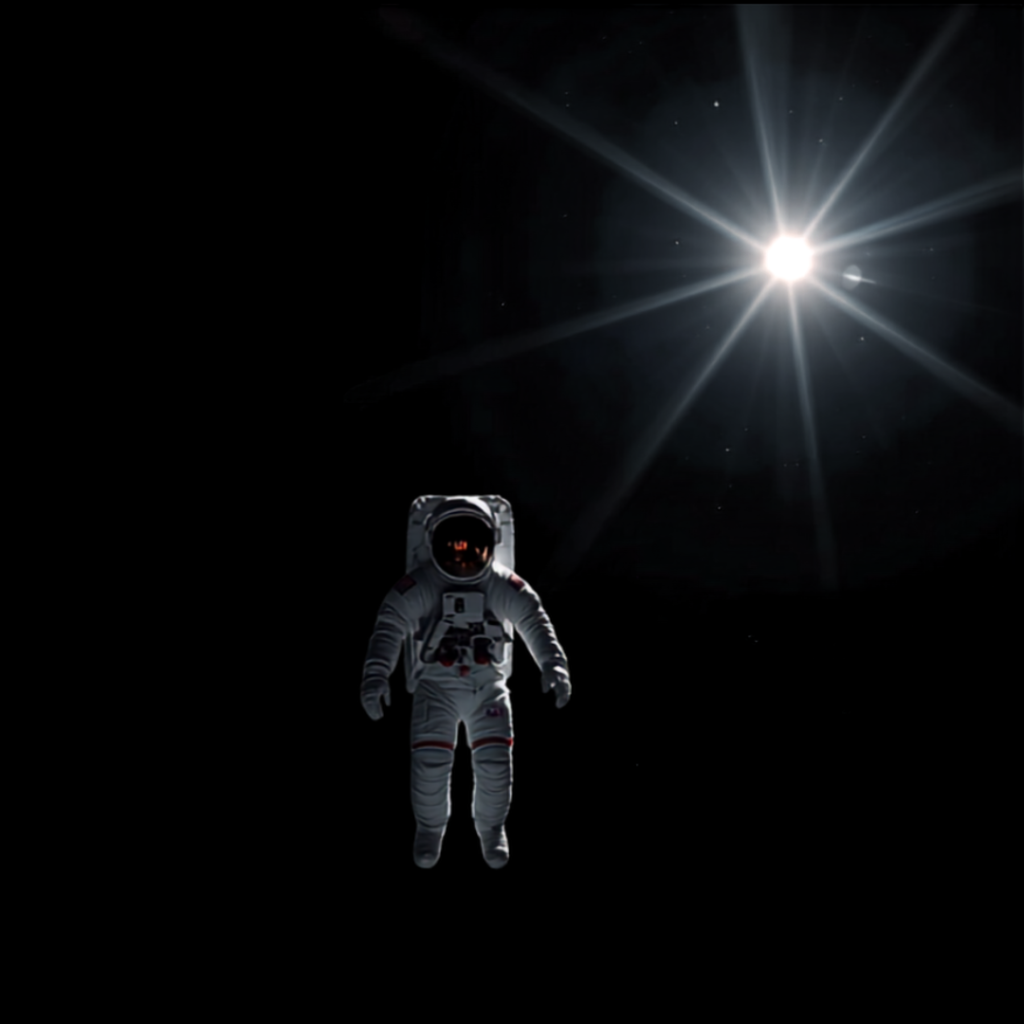
If astronauts look out from space, they do not see a blue sky. Instead, they see a black sky. This is because space has almost no atmosphere. Without air molecules to scatter sunlight, there is no blue light spread across the sky.
A Simple Experiment
You can demonstrate light scattering at home.
You Will Need:
- A clear glass of water
- A flashlight
- A few drops of milk
What To Do:
- Fill the glass with water.
- Add a few drops of milk and stir.
- Shine the flashlight through the glass.
The tiny milk particles scatter the light in a way similar to air molecules in the atmosphere.
This helps demonstrate why shorter wavelengths scatter more effectively.
Always perform experiments with adult supervision when needed.
Fun Facts About the Sky
☁ The sky is not always blue. It can appear gray, red, orange, pink, or purple under different conditions.
☁ On the Moon, there is almost no atmosphere, so astronauts see a black sky even during the daytime.
☁ The blue color of the sky helped scientists understand how light behaves and interacts with matter.
☁ The scientific explanation for the blue sky was developed by scientists studying the scattering of light in Earth’s atmosphere.
What Can We Learn From This?
The blue sky reminds us that science is everywhere around us. Something as ordinary as looking up can lead to fascinating questions and discoveries.
Scientists learn about the world by observing everyday phenomena and asking simple questions:
- Why is the sky blue?
- Why do rainbows form?
- Why do stars twinkle?
Every scientific journey begins with curiosity.
Conclusion
The sky appears blue because sunlight interacts with tiny molecules in Earth’s atmosphere. Blue light scatters more than other colors, causing it to spread across the sky and reach our eyes from every direction.
The next time you look up at a bright blue sky, remember that you are witnessing an amazing scientific process happening all around you.
Igniters Science Challenge
Look at the sky during:
- Morning
- Afternoon
- Sunset
Observe the colors and record your observations in a science journal. Can you explain the changes using what you’ve learned about light scattering?
Keep looking up. Keep asking questions. Keep discovering science!
Leave a Reply