
Have you ever wondered where the water in your glass came from?
It may have once been part of a mighty ocean, frozen inside a glacier, floating in a cloud, or even inside a dinosaur millions of years ago! Water is constantly moving around our planet in an endless adventure called the Water Cycle.
Join us as we follow the incredible journey of a single drop of water!
Step 1: Life Begins in the Ocean
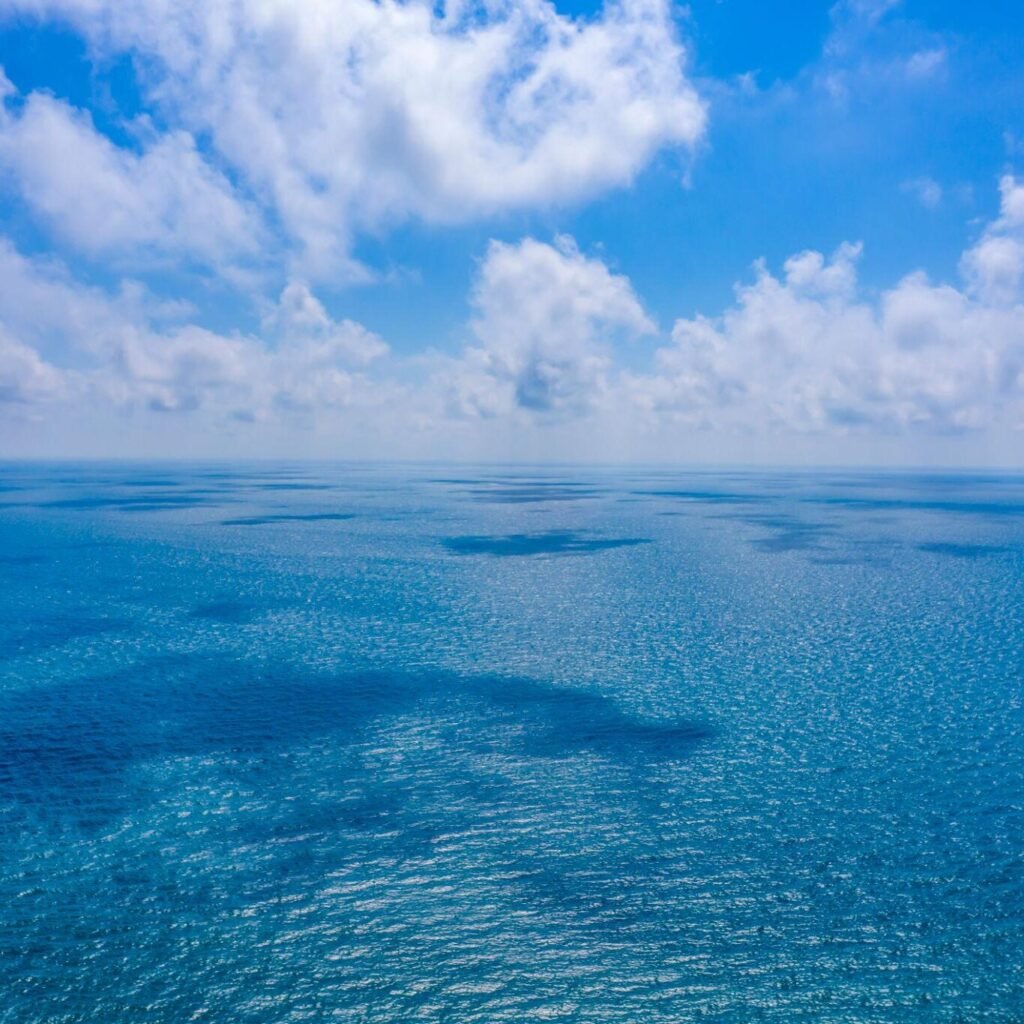
Our little drop of water begins its journey in the vast ocean.
The Sun shines on the water and warms it. As the temperature rises, the water changes from a liquid into an invisible gas called water vapour.
This process is called Evaporation.
Fun Fact
About 90% of Earth’s evaporation happens over oceans!
Step 2: Floating Into the Sky
As water vapour rises, the air becomes cooler.
Tiny droplets begin sticking together around tiny dust particles, forming clouds.
This process is called Condensation.
Millions of tiny water droplets combine to create the fluffy clouds we see every day.
Step 3: Falling Back to Earth
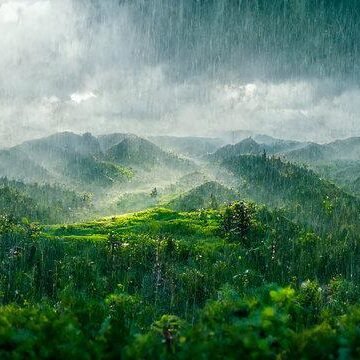
Eventually, the cloud becomes too heavy.
The tiny droplets join together into larger drops and fall back to Earth as:
- Rain
- Snow
- Sleet
- Hail
This stage is called Precipitation.
Without precipitation, rivers, lakes, and groundwater would slowly disappear.
Step 4: The Great Journey Across the Land
Once our water drop reaches Earth, it has many possible paths.
It might:
- Flow into rivers
- Fill lakes
- Soak into the soil
- Become groundwater
- Be absorbed by plants
Some water even freezes into glaciers or ice caps for hundreds or thousands of years.
Step 5: Plants Join the Adventure
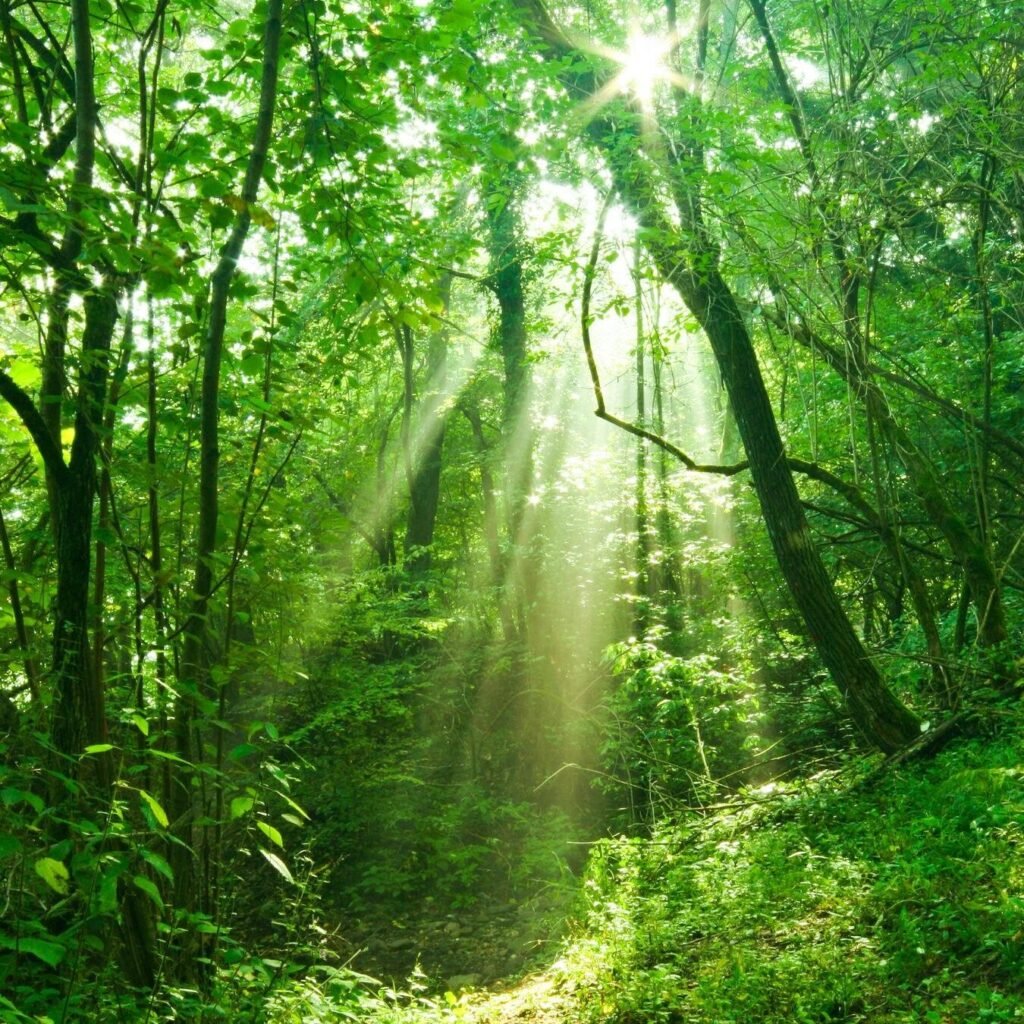
Plants absorb water through their roots.
Later, tiny openings in their leaves release water vapour back into the air.
This process is called Transpiration.
Together, evaporation and transpiration are called Evapotranspiration.
Step 6: Water Inside Living Things
Our little drop might now become part of a living organism.
It may help:
- Carry nutrients
- Control body temperature
- Help plants grow
- Keep cells healthy
The human body is made of about 60% water!
Step 7: Back to the Ocean
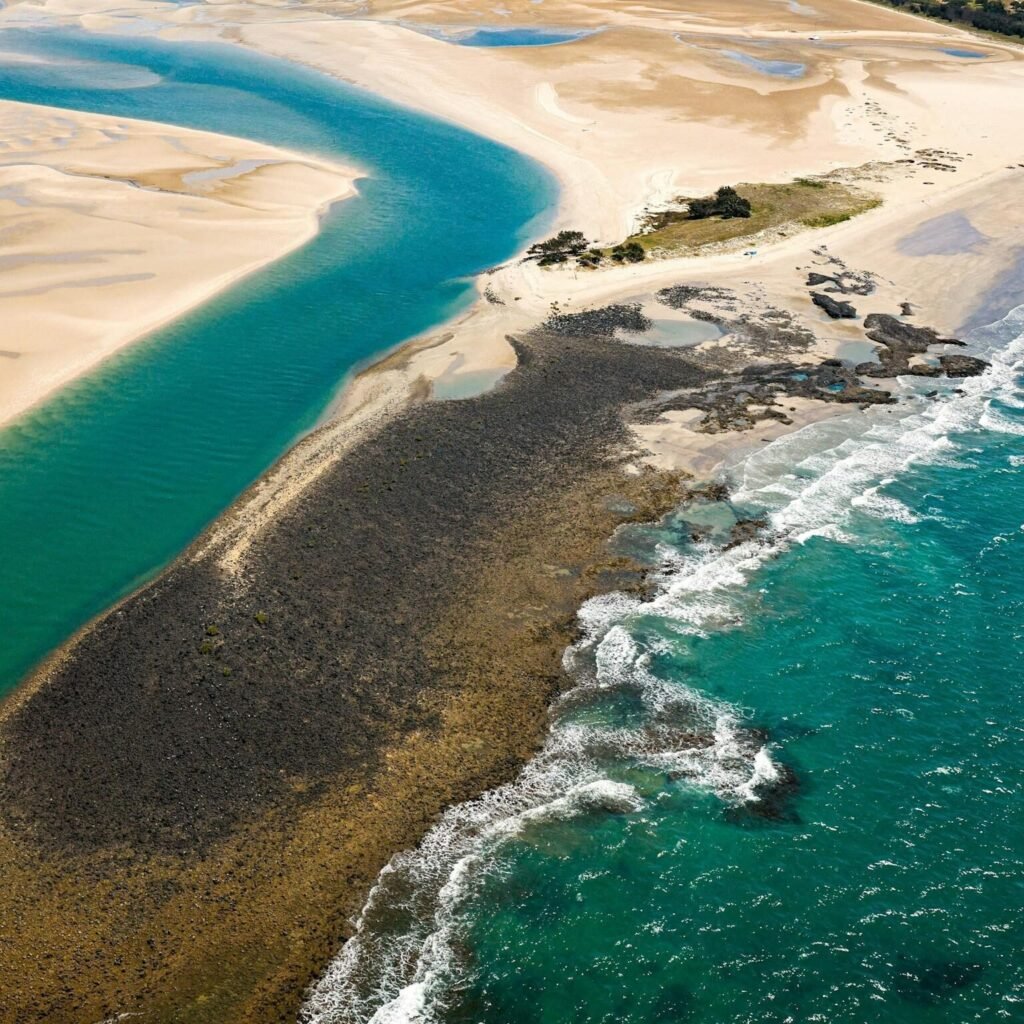
Eventually, rivers carry the water back to the ocean.
The journey starts all over again.
This never-ending movement is called the Water Cycle, and it has been happening for billions of years.
The Water Cycle at a Glance
☀ Sun
↓
Evaporation
↓
Condensation
↓
Clouds
↓
Precipitation
↓
Rivers • Lakes • Soil
↓
Plants • Animals • Groundwater
↓
Ocean
↺ Repeat Forever
Why Is the Water Cycle Important?
Without the water cycle:
❌ Rivers would dry up.
❌ Crops couldn’t grow.
❌ Animals wouldn’t survive.
❌ There would be no drinking water.
The water cycle keeps Earth alive by continuously recycling one of our most precious natural resources.
Amazing Water Facts
- Only about 3% of Earth’s water is fresh water.
- Nearly 97% is found in oceans and is too salty to drink.
- Around two-thirds of freshwater is frozen in glaciers and ice caps.
- A cloud can contain millions of litres of water, yet still float because the droplets are incredibly tiny.
- The water you drink today may have been part of a dinosaur, an ancient river, or a glacier thousands of years ago!
How Can We Protect Water?
Every drop counts!
You can help by:
- Turning off taps while brushing your teeth.
- Taking shorter showers.
- Collecting rainwater for plants.
- Planting trees to support the water cycle.
- Preventing water pollution.
Saving water today means protecting life tomorrow.
Conclusion
The journey of a single drop of water is one of nature’s greatest adventures. From the oceans to the clouds, from mountains to rivers, through plants, animals, and even our own bodies, water is always moving.
The next time you see a cloud, a river, or a raindrop on your window, remember—it has been on an incredible journey around our planet.
Every drop has a story!
Leave a Reply