
Have you ever wondered why some athletes can run faster, jump higher, or play longer than others? Is it just talent? The answer is no! Behind every great athlete is a fascinating combination of science, training, nutrition, psychology, and technology.
Sports are not only about practice—they are also about understanding how the human body works. Scientists study muscles, bones, the brain, and even emotions to help athletes perform at their best.
Let’s discover the exciting science that powers champions!
1. Your Brain is the Control Center
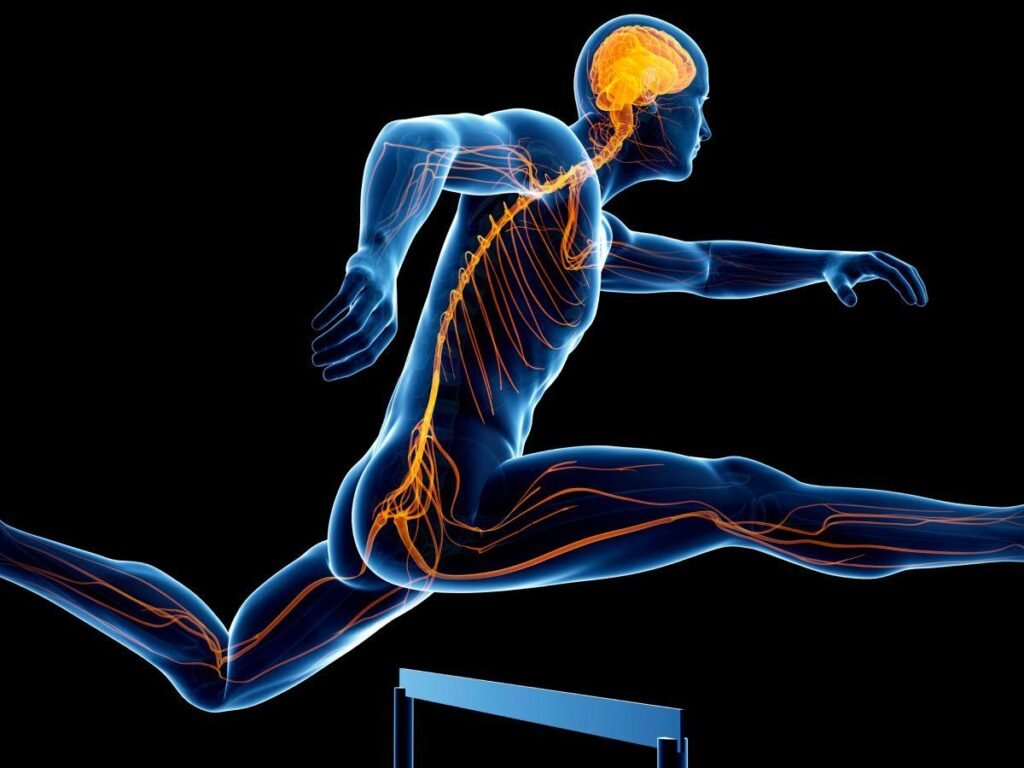
Every movement begins in your brain.
When a football player kicks a ball or a cricketer hits a six, the brain sends electrical signals through nerves to the muscles. The faster these signals travel, the quicker the athlete reacts.
Fun Fact 💡
Reaction time in elite athletes can be less than 0.2 seconds!
2. Muscles: The Engines of the Body
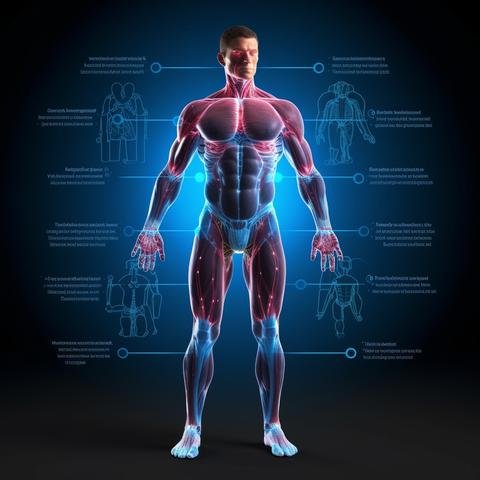
Muscles work by contracting and relaxing. During exercise, muscles use stored energy called ATP (Adenosine Triphosphate).
There are two main types of muscle fibers:
| Muscle Fiber | Best For | Example |
| Slow-Twitch | Endurance | Marathon runners |
| Fast-Twitch | Speed & Power | Sprinters, weightlifters |
Athletes train specific muscle fibers depending on their sport.
3. The Heart and Lungs: Oxygen Delivery System
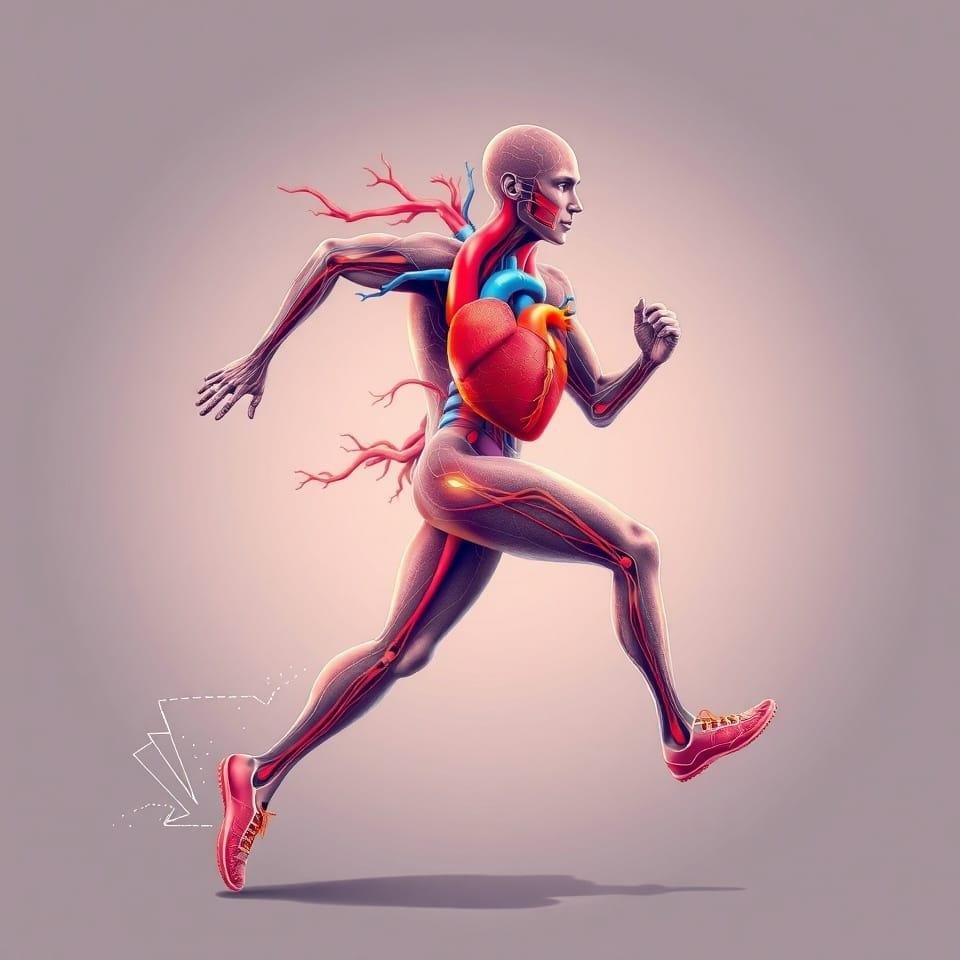
Your muscles need oxygen to produce energy.
When you exercise:
- ❤ Your heart beats faster.
- 🫁 Your lungs take in more oxygen.
- 🩸 Blood carries oxygen to muscles.
Regular training makes the heart stronger, allowing athletes to perform longer without getting tired.
Did You Know?
Elite marathon runners often have resting heart rates as low as 35–45 beats per minute!
4. Nutrition: Fuel for Performance

Athletes carefully choose what they eat because food is fuel.
Important Nutrients
Carbohydrates
- Main source of energy.
Proteins
- Repair and build muscles.
Healthy Fats
- Long-lasting energy.
Vitamins & Minerals
- Keep the body functioning properly.
Water
- Prevents dehydration and keeps muscles working efficiently.
5. Why Rest is Just as Important

Many people think athletes improve only by training.
Actually, muscles become stronger during recovery.
While sleeping:
- Muscles repair themselves.
- Growth hormone is released.
- Energy stores are restored.
- The brain strengthens memory and skills.
Most professional athletes sleep 8–10 hours every night.
6. The Science of Practice
Practice changes the brain through a process called neuroplasticity.
Repeating the same movement again and again creates stronger nerve connections, making skills faster and more accurate.
That’s why cricket players practice thousands of shots and basketball players shoot hundreds of baskets every day.
7. Sports Psychology

Winning isn’t just physical—it is mental too.
Sports psychologists help athletes:
- Stay confident
- Handle pressure
- Improve concentration
- Reduce anxiety
- Stay motivated
Many Olympic athletes spend time visualizing success before competitions.
8. Technology Makes Athletes Better

Modern sports use amazing technology.
Examples include:
- ⌚ Smart watches measuring heart rate
- 📹 Motion-capture cameras analyzing movement
- 👟 Smart shoes measuring speed
- 🧬 Fitness trackers monitoring recovery
- 📊 Computer software analyzing performance
These tools help coaches improve training safely and effectively.
Science in Everyday Sports
You don’t have to be an Olympic athlete to benefit from sports science.
Even school students can improve by:
- Eating balanced meals
- Drinking enough water
- Warming up before exercise
- Sleeping well
- Practicing regularly
- Staying positive
Small healthy habits lead to big improvements over time.
Amazing Sports Facts
- The human body has over 600 muscles.
- Nerve signals can travel at speeds of up to 120 metres per second.
- Exercise makes the heart stronger and more efficient.
- Regular sports improve memory, concentration, and mood.
- Even losing 2% of body water can reduce athletic performance.
Conclusion
Every great athlete is a combination of hard work and science. Strong muscles, a healthy heart, nutritious food, proper sleep, smart practice, positive thinking, and modern technology all work together to improve performance.
Whether you’re playing cricket, football, badminton, basketball, or simply running with friends, understanding the science of sports can help you stay healthier, stronger, and more confident.
Remember, champions aren’t just born—they’re built through science, dedication, and consistent effort.
Leave a Reply