
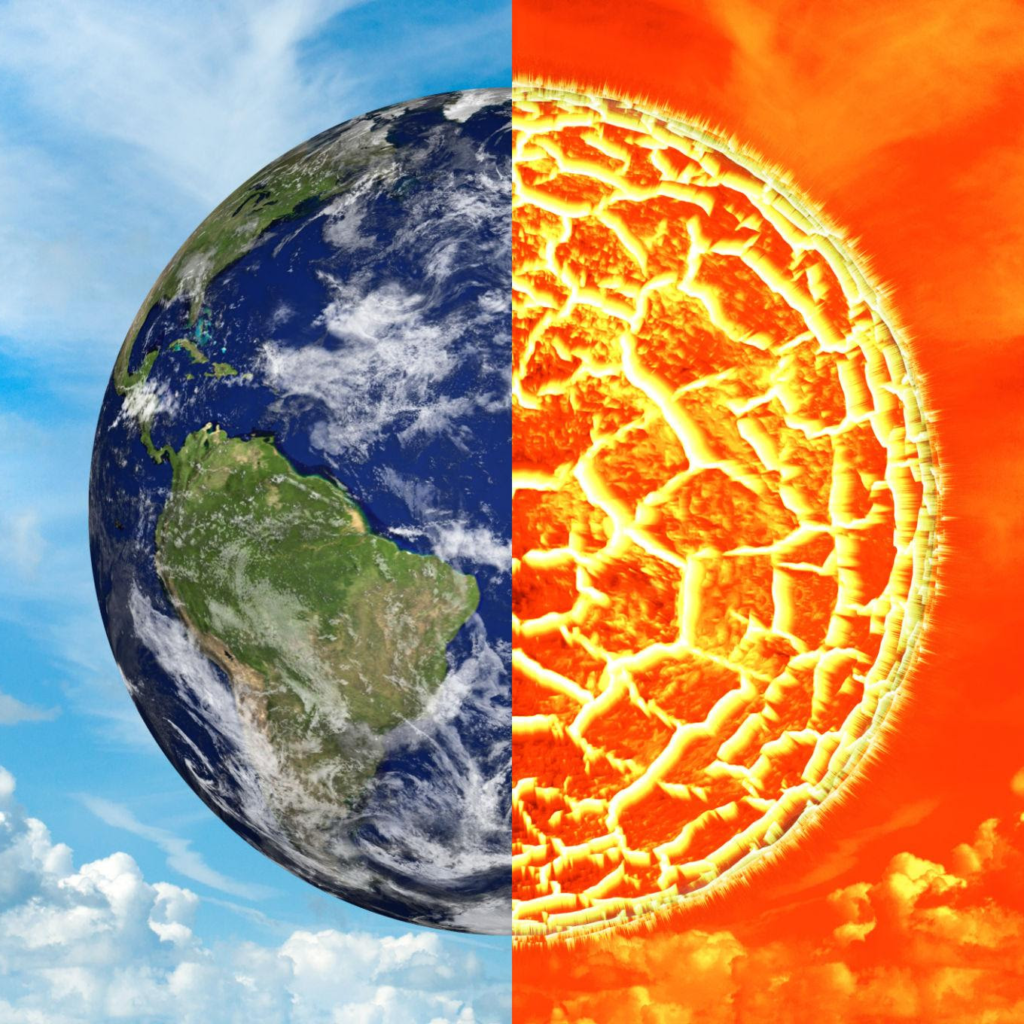
Climate change is one of the most important scientific challenges facing our world today. You may have heard about rising temperatures, melting glaciers, floods, droughts, and extreme weather events. But what exactly is climate change? Is everything we hear about it true?
In this article, we will explore the facts, uncover common myths, and learn about solutions that can help protect our planet.
What Is Climate Change?
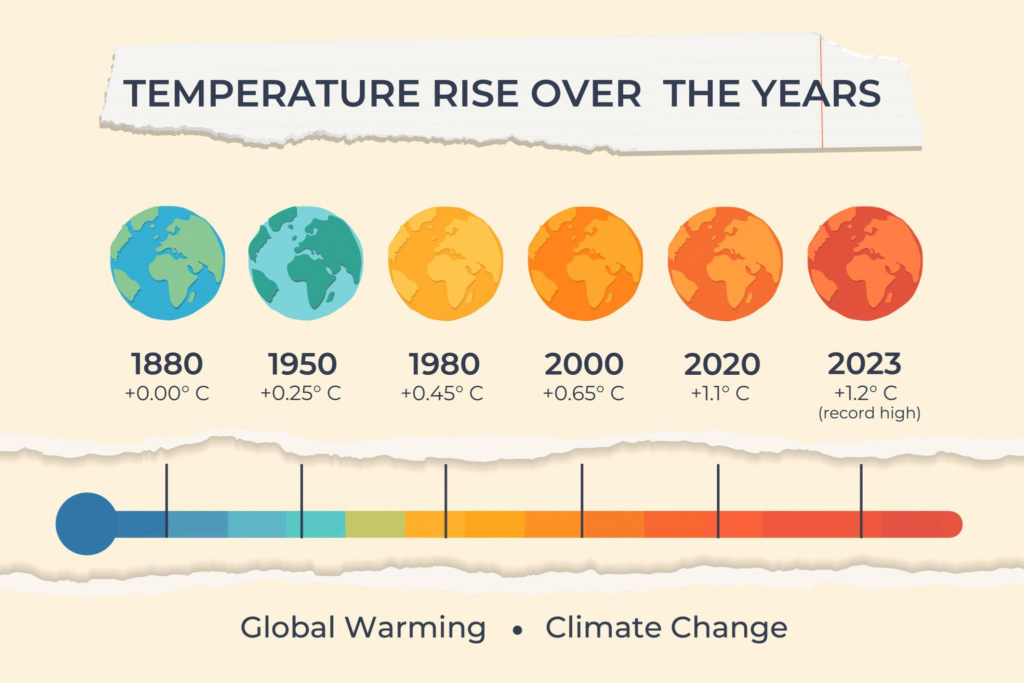
Climate change refers to long-term changes in Earth’s weather patterns and average temperatures.
The Earth’s climate has changed naturally throughout history. However, scientists have found that the current warming trend is happening much faster due to human activities.
Activities such as:
- Burning coal, oil, and natural gas
- Cutting down forests
- Industrial pollution
- Excessive use of fossil fuels
release greenhouse gases into the atmosphere.
These gases trap heat and cause the Earth to warm.
The Greenhouse Effect
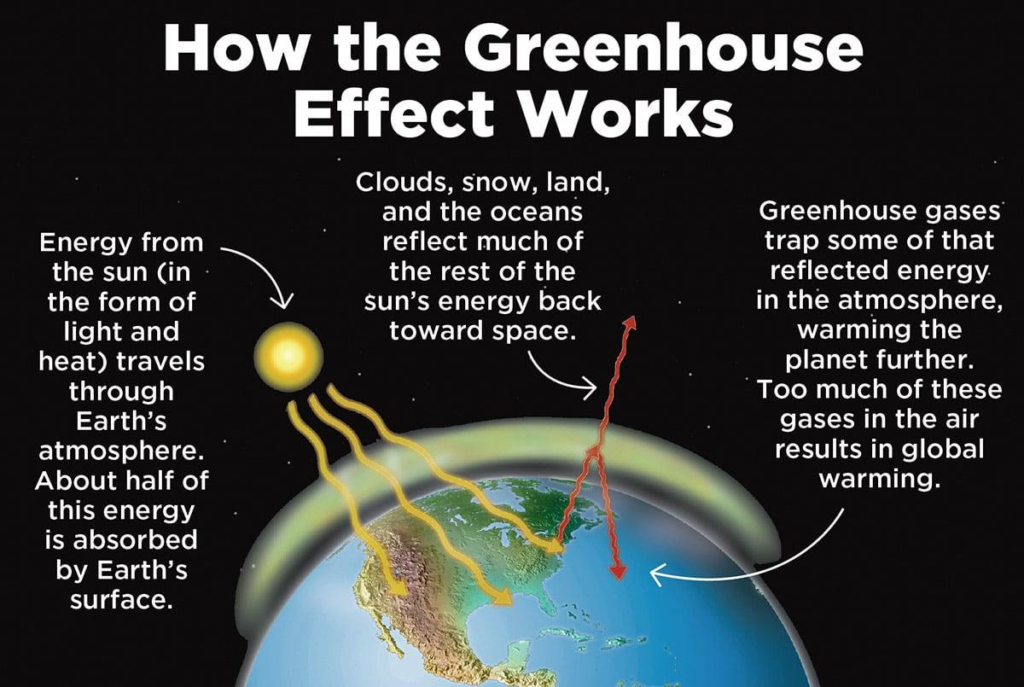
The greenhouse effect is a natural process that keeps our planet warm enough for life.
Here’s how it works:
- Sunlight reaches Earth.
- Earth absorbs some of the energy.
- The planet releases heat back into space.
- Greenhouse gases trap part of this heat.
Without the greenhouse effect, Earth would be too cold for humans, animals, and plants.
The problem occurs when too many greenhouse gases build up in the atmosphere, trapping more heat than necessary.
Common Climate Change Myths
Myth 1: Climate Change Is Not Real
Fact
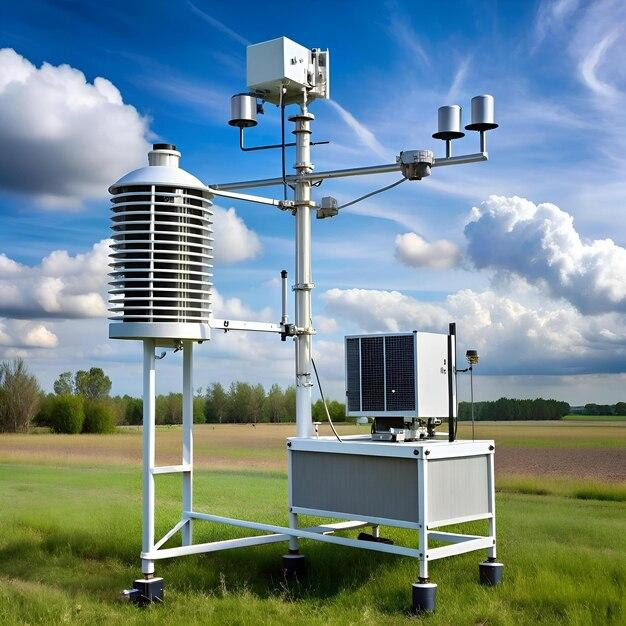
Scientists from around the world have collected evidence showing that global temperatures have increased over the past century.
Rising temperatures, shrinking glaciers, and changing weather patterns all support the reality of climate change.
Myth 2: Climate Change Only Affects Polar Bears

Fact
Climate change affects everyone.
It can contribute to:
- Heat waves
- Floods
- Droughts
- Stronger storms
- Water shortages
- Reduced crop production
People, animals, and ecosystems around the world are affected.
Myth 3: One Person Cannot Make a Difference

Fact
Every action matters.
Millions of people making small positive changes can create a huge impact.
Turning off unnecessary lights, reducing waste, and planting trees all contribute to protecting the environment.
Evidence of Climate Change
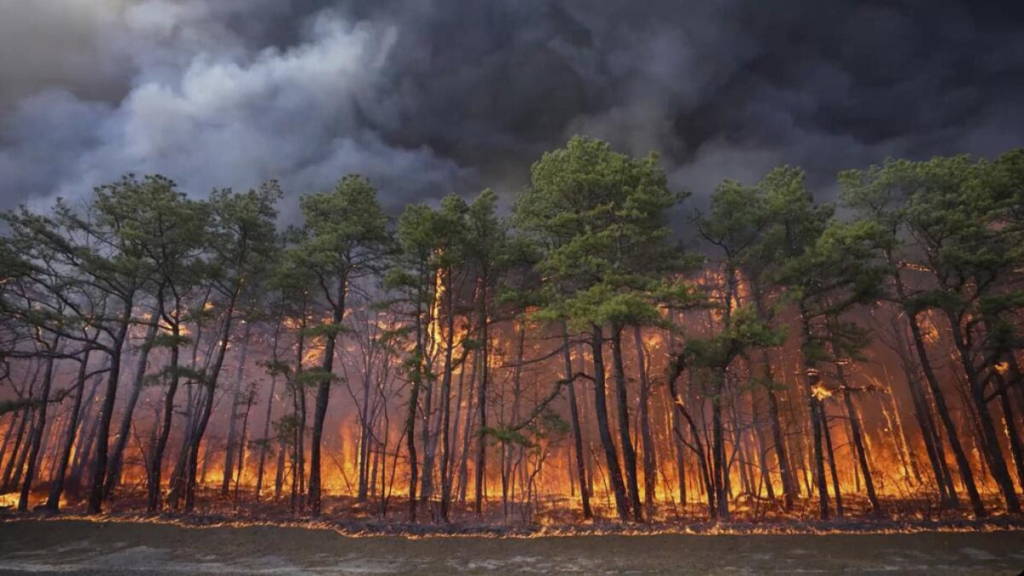
Scientists have observed several signs of climate change:
- Rising global temperatures
- Melting glaciers and ice sheets
- Rising sea levels
- More frequent heat waves
- Changes in rainfall patterns
- Increased risk of extreme weather events
These observations help scientists understand how Earth’s climate is changing.
How Climate Change Affects Students
Climate change can impact students directly by:
- Increasing hot summer temperatures
- Affecting water availability
- Influencing food production
- Increasing health risks from heat waves
- Affecting local ecosystems and wildlife
The choices made today will influence the world students inherit tomorrow.
Solutions: What Can We Do?
Scientists, engineers, governments, and communities are working together to reduce climate change.
Some solutions include:
Renewable Energy
Using solar, wind, and hydroelectric power instead of fossil fuels.
Energy Conservation
Turning off unused electronics and using energy-efficient appliances.
Sustainable Transportation
Using public transport, cycling, walking, or electric vehicles.
Protecting Forests
Trees absorb carbon dioxide and help regulate the climate.
What Students Can Do
You do not need to be a scientist to help the environment.
Here are some actions students can take:
- 🌱 Plant trees
- ♻ Recycle and reuse materials
- 💡 Save electricity
- 🚲 Walk or cycle when possible
- 💧 Conserve water
- 📚 Learn and spread awareness about climate change
Small actions can create big results when many people participate.
Climate Change and Innovation

Many young scientists and inventors are developing new solutions to environmental problems.
Future innovations may include:
- More efficient solar panels
- Cleaner transportation
- Smart energy systems
- Better recycling technologies
- Sustainable cities
Perhaps the next great climate solution will come from a student at the Igniters Science Club!
Conclusion
Climate change is a real scientific challenge, but it is also an opportunity for innovation, cooperation, and positive action.
By understanding the facts, avoiding myths, and supporting solutions, we can all play a role in protecting our planet.
The future of Earth depends on informed and responsible citizens who are willing to learn, act, and inspire others.
Climate Challenge for Igniters Science Club
For one week:
- Track how much water you save.
- Reduce electricity usage at home.
- Plant a tree or care for a plant.
- Share one climate fact with a friend.
Record your observations and discuss them at the next Science Club meeting.
Protect the Planet. Explore the Science. Inspire the Future.
Leave a Reply