

By Igniters Science Club, Igniters Institute
Have you ever wondered why bread turns brown in the oven, why onions become sweet when cooked, or why baking powder makes cakes rise? The answer is chemistry!
Cooking is not just an art — it is also a science. Every time we cook, heat, mix, or bake food, chemical reactions are taking place. Let’s explore the amazing chemistry happening in your kitchen.
1. Heat Changes Food
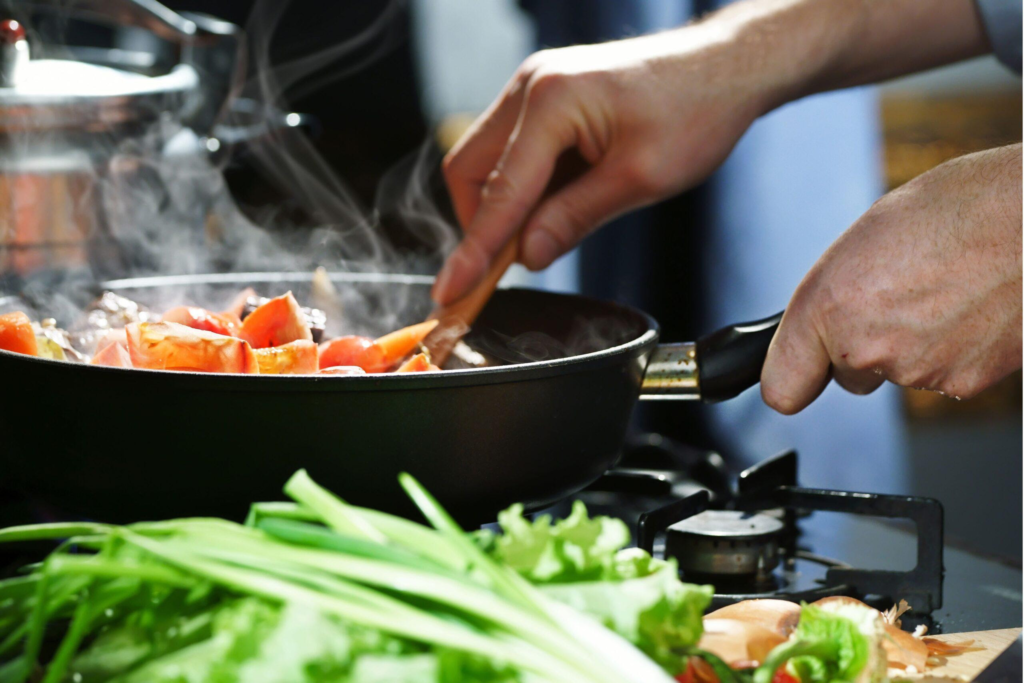
When food is heated, the molecules inside it move faster and react with each other. Heat can:
- Change texture: Raw eggs become firm when heated because proteins unfold and join together.
- Change flavor: Cooking onions or garlic creates new flavor compounds that make food smell and taste delicious.
- Kill harmful germs: High temperatures destroy many bacteria and make food safer to eat.
2. The Maillard Reaction: Why Food Turns Brown
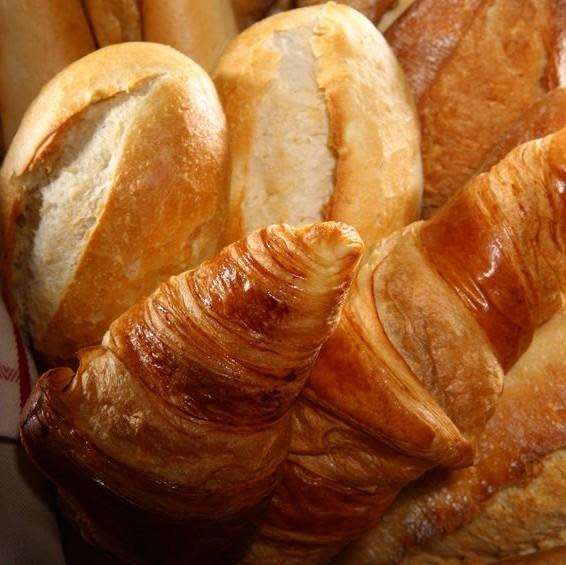
The golden-brown crust on bread, roasted potatoes, and grilled sandwiches comes from a chemical process called the Maillard reaction.
This reaction happens when sugars and proteins in food are heated together.
It creates hundreds of new flavor and aroma compounds, giving cooked food its rich taste and color.
Examples include:
- Toasted bread
- Roasted coffee beans
- Grilled vegetables and meats
3. Caramelization: Sweetness Through Heat
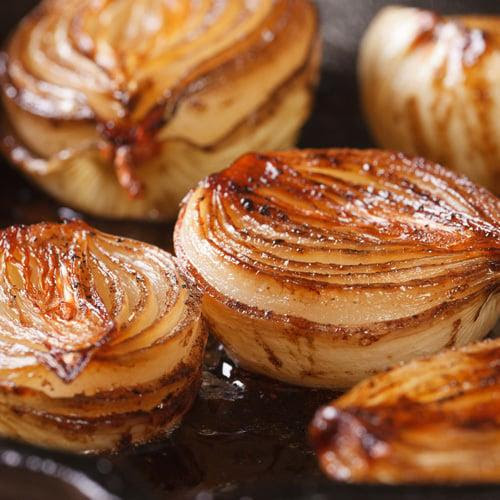
When sugar is heated, it breaks down and forms new compounds with a sweet, nutty flavor. This process is called caramelization.
That is why:
- Caramel tastes rich and sweet
- Cooked onions become sweeter than raw onions
- Roasted vegetables develop a deeper flavor
4. Baking: A Chemical Experiment
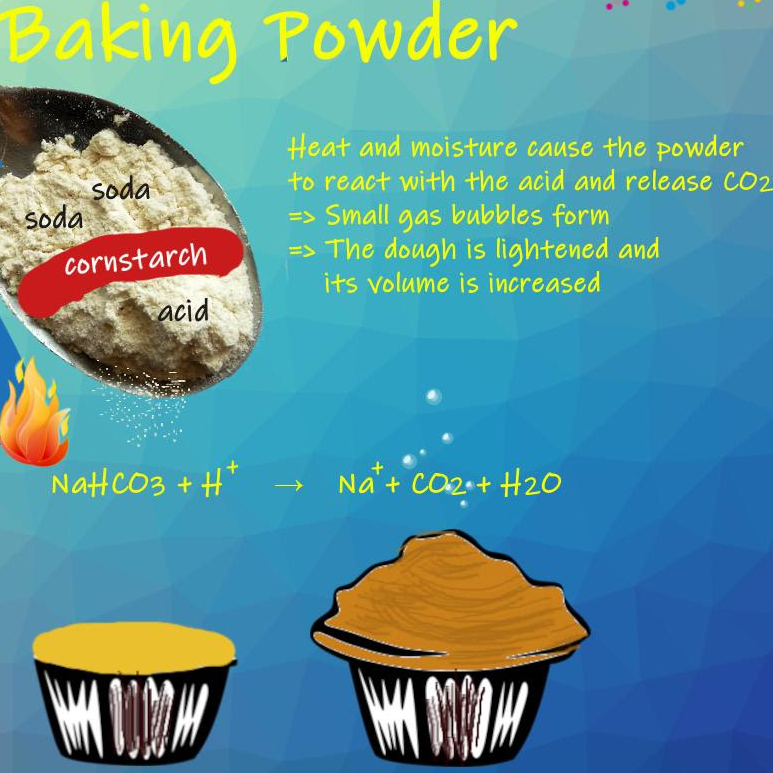
Baking is one of the best examples of chemistry in action.
Baking Powder and Baking Soda
These ingredients release carbon dioxide gas when mixed with liquids and heat. The gas forms bubbles that make cakes, muffins, and pancakes rise.
Gluten Formation
When flour is mixed with water, proteins join together to form gluten, a stretchy network that gives bread its structure.
5. Why Emulsions Matter
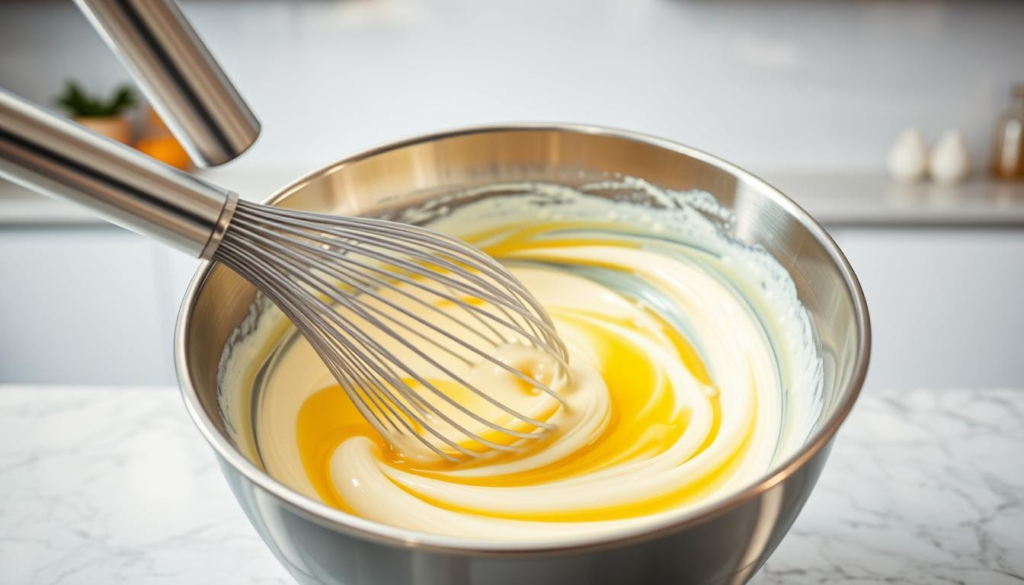
Oil and water usually do not mix, but ingredients like egg yolk contain molecules that help combine them. This creates an emulsion, such as mayonnaise or creamy salad dressings.
The science behind this helps sauces stay smooth and stable.
6. Acids and Bases in Cooking
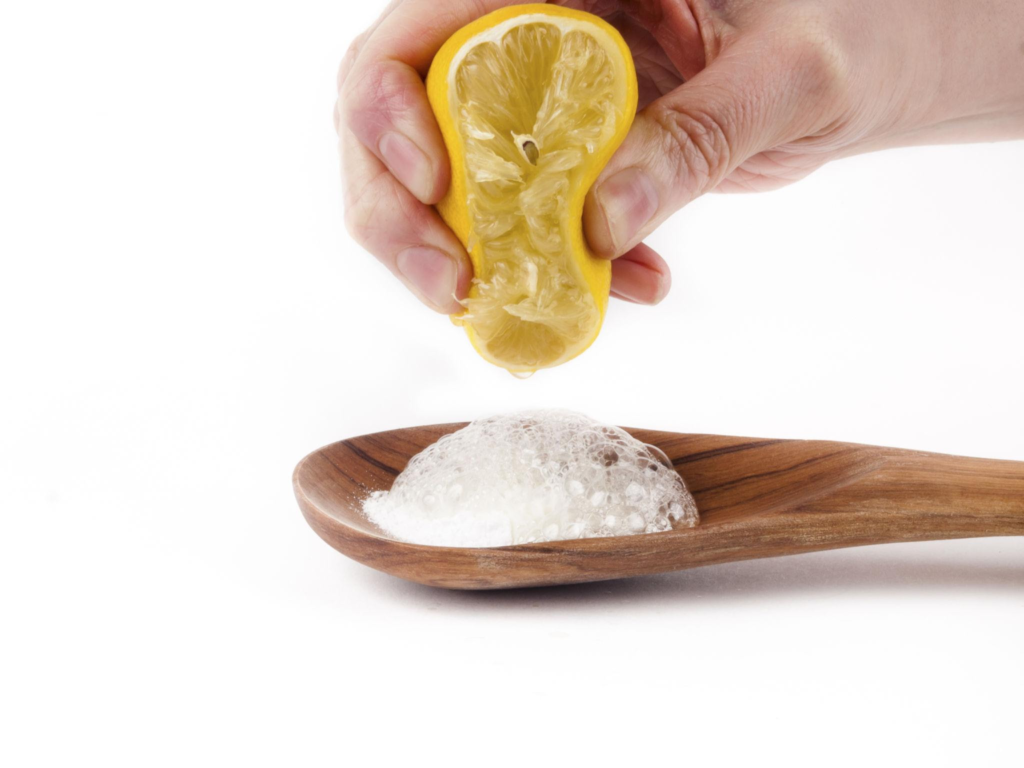
Many foods are acidic, such as lemon juice, vinegar, and tomatoes. Acids can:
- Brighten flavors
- Help preserve food
- Tenderize proteins in meat
Baking soda is a base. When it reacts with acids, it produces carbon dioxide gas, helping baked goods rise.
7. The Science of Taste and Smell
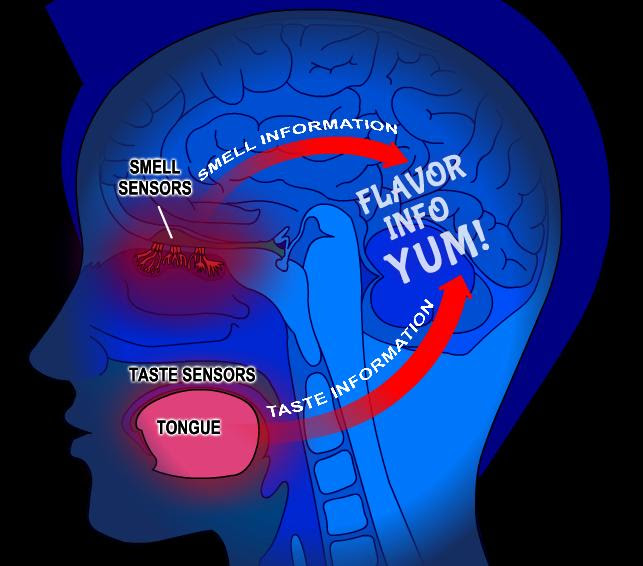
Flavor is a combination of taste and smell. Our tongue detects basic tastes like sweet, salty, sour, bitter, and umami, while our nose detects thousands of aromas released during cooking.
That is why food smells so tempting when it is cooking!
Conclusion
Cooking is like doing chemistry experiments you can eat. Heat, reactions, gases, acids, proteins, and sugars all work together to create the flavors, textures, and aromas we enjoy every day.
So the next time you cook or help in the kitchen, remember: you are not just making food — you are exploring chemistry in action!
Science is everywhere, even in your favorite meal.
Leave a Reply