
Have you ever heard someone say, “We only use 10% of our brain” or “Bats are blind”? Many popular beliefs are actually science myths—ideas that sound true but are not supported by scientific evidence.
Science helps us separate facts from fiction. Let’s explore some common science myths and discover the truth behind them!
Myth 1: We Only Use 10% of Our Brain

The Truth
This is one of the most famous science myths. Brain scans show that almost all parts of the brain have important functions. Even when we are sleeping, our brain remains active.
Scientists have found that different areas of the brain work together for thinking, moving, learning, and remembering.
Science Fact: We use all parts of our brain, just not all at the same time.
Myth 2: Bats Are Blind
The Truth
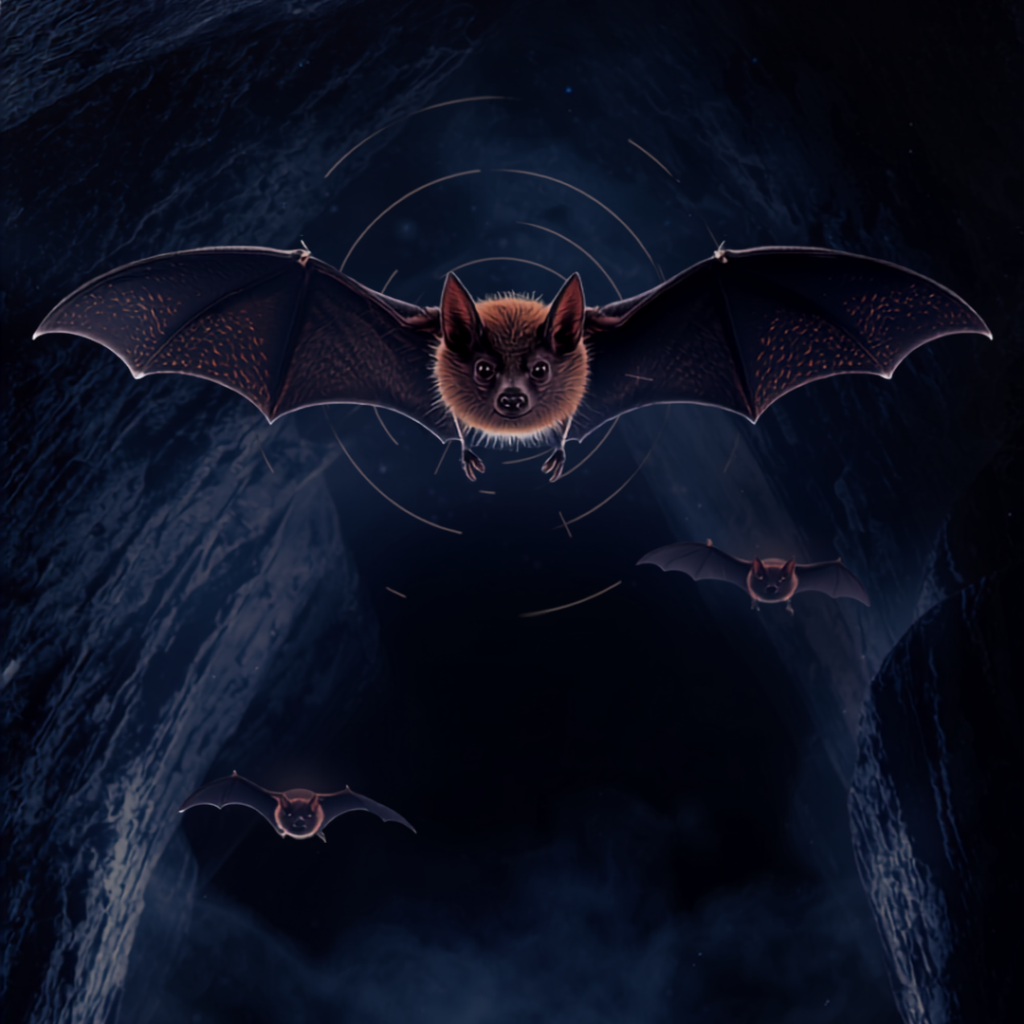
Bats can actually see quite well. In addition to their eyesight, many bats use echolocation—a system where they produce sounds and listen to the echoes to locate objects.
This helps them fly and hunt in the dark.
Science Fact: Bats are not blind; they simply have an extra navigation system!
Myth 3: Lightning Never Strikes the Same Place Twice

The Truth
Lightning can strike the same place many times. Tall structures such as towers, buildings, and trees are often struck repeatedly.
For example, the Empire State Building is hit by lightning dozens of times every year.
Science Fact: Lightning often strikes the same location more than once.
Myth 4: Goldfish Have a Three-Second Memory
The Truth
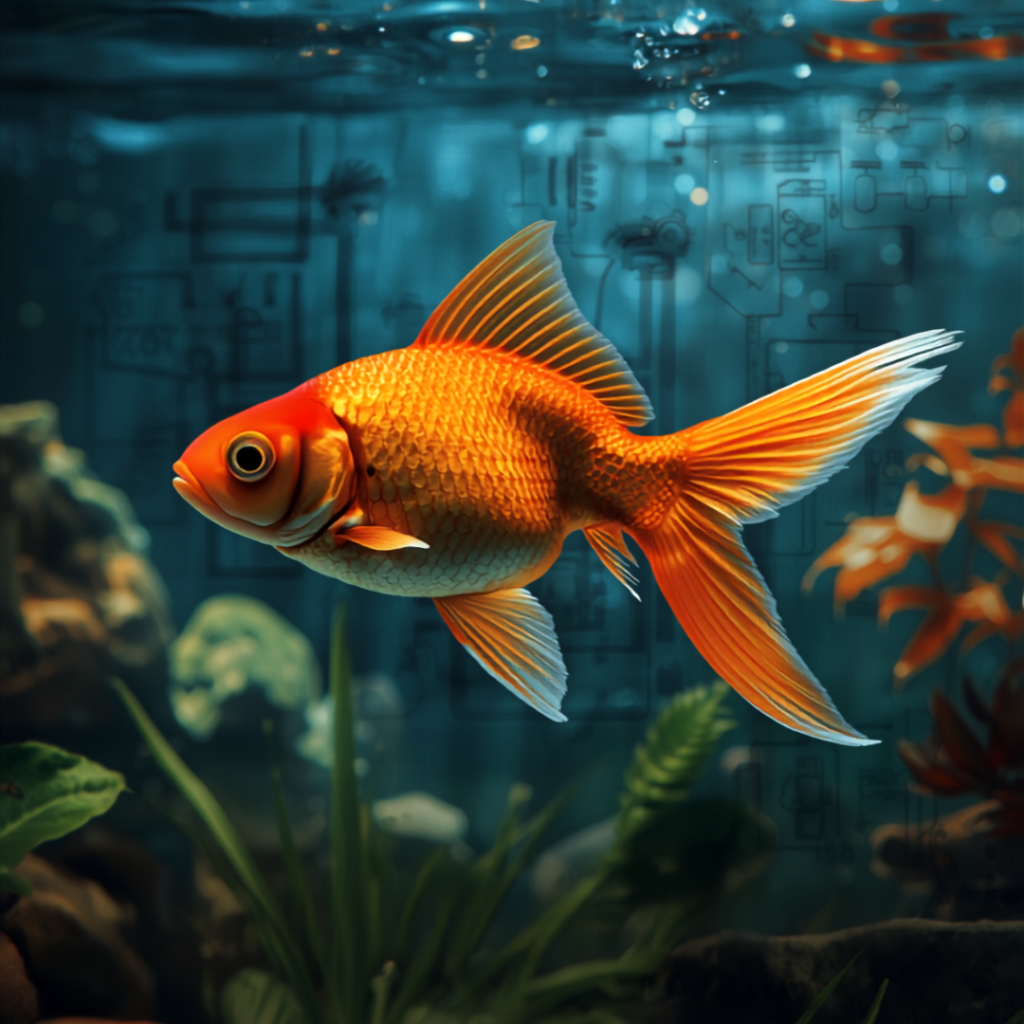
Research has shown that goldfish can remember things for months. They can learn routines, recognize feeding times, and even respond to training.
Science Fact: Goldfish are smarter than many people think!
Myth 5: Humans Have Five Senses
The Truth
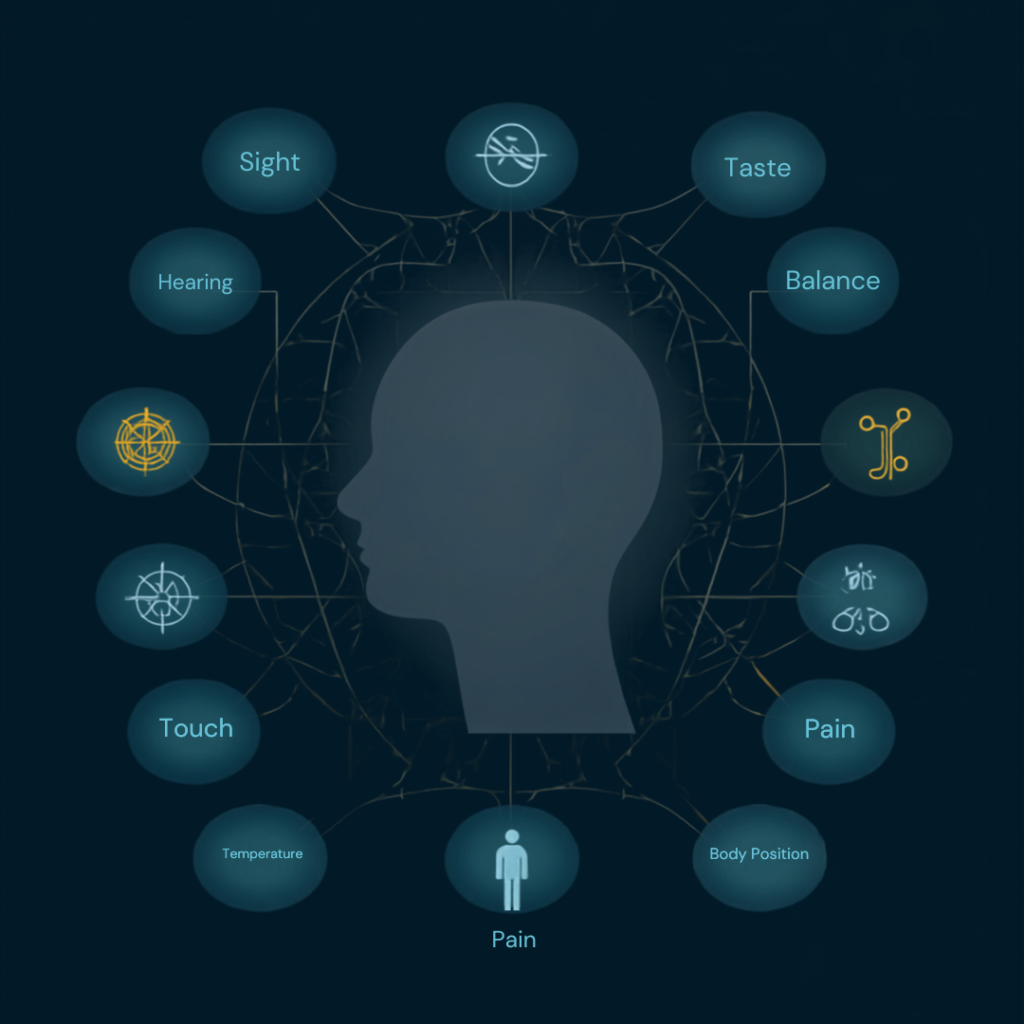
Most students learn about sight, hearing, smell, taste, and touch. However, scientists recognize additional senses, including balance, temperature, pain, and awareness of body position.
Science Fact: Humans have more than five senses.
Myth 6: Cracking Your Knuckles Causes Arthritis

The Truth
The popping sound comes from tiny gas bubbles in the fluid around your joints. Studies have found no strong evidence that knuckle cracking causes arthritis.
However, cracking your knuckles too often may annoy the people around you!
Science Fact: Knuckle cracking does not directly cause arthritis.
Myth 7: Chameleons Change Color Only to Match Their Surroundings

The Truth
Chameleons change color mainly to communicate, regulate body temperature, and express emotions such as stress or excitement.
Their color changes are influenced by light, temperature, and mood.
Science Fact: Chameleons are not simply “living camouflage.”
Myth 8: The Great Wall of China Is Visible from Space

The Truth
This popular belief is incorrect. The Great Wall is difficult to see with the naked eye from space because it is narrow and blends into the surrounding landscape.
Astronauts often need cameras to spot it.
Science Fact: The Great Wall is not easily visible from space.
Why Do Science Myths Spread?
Science myths spread because:
- They sound believable.
- People repeat them without checking facts.
- Movies, social media, and advertisements sometimes present inaccurate information.
- Our brains like simple explanations.
This is why scientific investigation is so important.
How Can We Check If Something Is True?
Whenever you hear an interesting scientific claim, ask:
- Is there scientific evidence?
- What do scientists say?
- Can the claim be tested?
- Does it come from a reliable source?
A good scientist always asks questions before accepting a claim as true.
Conclusion
Science is not just about learning facts—it is about discovering the truth. Many ideas that people believe turn out to be myths when tested scientifically. By questioning information and looking for evidence, we become better learners and better thinkers.
The next time you hear an amazing “fact,” don’t accept it immediately. Investigate it like a scientist!
Stay curious. Ask questions. Follow the evidence.
Leave a Reply