
Science fairs are an exciting opportunity for students to explore scientific concepts, develop problem-solving skills, and showcase their creativity. For beginners, however, choosing the right project can often feel overwhelming. Many students think they need complicated equipment or advanced scientific knowledge to create an impressive science fair project. The truth is that some of the most successful projects are simple, practical, and based on everyday observations.
At Igniters Science Club, an initiative of Igniters For Tomorrow, we believe that learning science should be fun, interactive, and accessible to every student. The best science fair projects are those that encourage curiosity, experimentation, and critical thinking. In this article, we will explore some of the best science fair projects for beginners that are easy to build, educational, and highly engaging.
Why Science Fair Projects Are Important
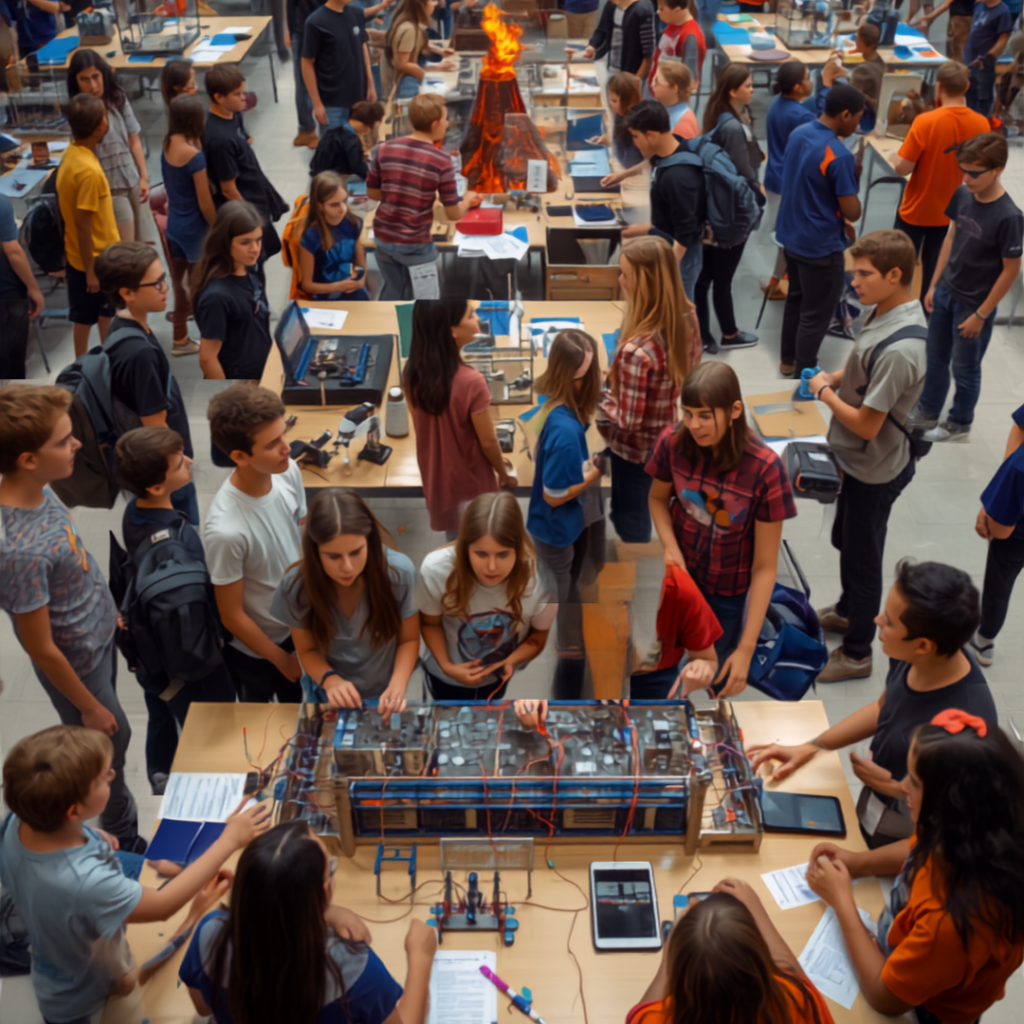
Science fair projects allow students to apply classroom knowledge in real-life situations. Instead of simply reading about scientific concepts, students get the chance to observe, test, and analyze them firsthand. Through these projects, students learn how to ask questions, make predictions, collect data, and draw conclusions.
Participating in science fairs also helps students develop confidence, presentation skills, and creativity. These experiences can inspire a lifelong interest in science, technology, engineering, and mathematics (STEM) fields.
Water Filtration Model
One of the most popular beginner-friendly science fair projects is a water filtration model. This project demonstrates how impurities can be removed from water using different layers of filtering materials such as sand, gravel, cotton, and charcoal.
Students can compare the quality of water before and after filtration and learn about the importance of clean drinking water. This project introduces concepts related to environmental science, water conservation, and purification technologies while remaining simple enough for beginners.
Balloon Rocket Experiment
The balloon rocket experiment is a fun way to demonstrate Newton’s Third Law of Motion. In this project, a balloon is attached to a straw threaded through a string. When the balloon is released, the escaping air pushes the balloon forward along the string.
This project helps students understand how rockets move and provides an engaging introduction to the principles of force and motion. Since it requires only a few household materials, it is an excellent choice for first-time science fair participants.
Homemade Volcano
A homemade volcano remains one of the most exciting science fair projects for beginners. By combining baking soda and vinegar, students can create a chemical reaction that produces a foamy eruption resembling a volcanic explosion.
While the experiment is simple, it offers valuable lessons about chemical reactions, gas formation, and geological processes. Students can enhance their project by researching real volcanoes and explaining how volcanic eruptions occur in nature.
Solar Oven Project
The solar oven project teaches students about renewable energy and the power of sunlight. Using a cardboard box, aluminum foil, and plastic wrap, students can build a simple oven that traps heat from the sun.
This project demonstrates how solar energy can be harnessed for practical purposes and encourages students to think about sustainable energy solutions. It is an excellent way to introduce environmental science and renewable technologies.
Plant Growth Experiment
Plants provide endless opportunities for scientific investigation. Students can study how different factors such as sunlight, water, soil type, or fertilizer affect plant growth.
For example, students can grow identical plants under different conditions and compare their development over several weeks. This project helps beginners learn about scientific observation, data collection, and the importance of controlled experiments.
Static Electricity Demonstration
A static electricity project can be both educational and entertaining. By rubbing a balloon against their hair and observing how it attracts small pieces of paper, students can explore the concept of electric charge.
This simple experiment introduces basic principles of physics and helps students understand phenomena they encounter in everyday life. It is a great choice for students who want an easy yet impressive demonstration.
DIY Weather Station
Weather is something students experience every day, making it an interesting topic for a science fair project. Beginners can create a simple weather station that measures temperature, rainfall, wind direction, or humidity.
By recording observations over several days or weeks, students learn about meteorology, data analysis, and weather patterns. This project encourages long-term observation and scientific record-keeping.
Density Tower Experiment
The density tower experiment involves stacking different liquids such as honey, dish soap, water, oil, and rubbing alcohol in a transparent container. Because each liquid has a different density, they form distinct layers.
This visually appealing project helps students understand the concept of density and why certain substances float while others sink. It is simple to perform and often attracts significant attention during science fairs.
Lemon Battery Project
The lemon battery project introduces students to the basics of electricity and electrochemistry. By inserting metal electrodes into lemons and connecting them with wires, students can generate a small electric current.
This project demonstrates how chemical reactions can produce electrical energy and provides an excellent introduction to battery technology. It is both educational and fascinating for young learners.
How to Choose the Right Science Fair Project
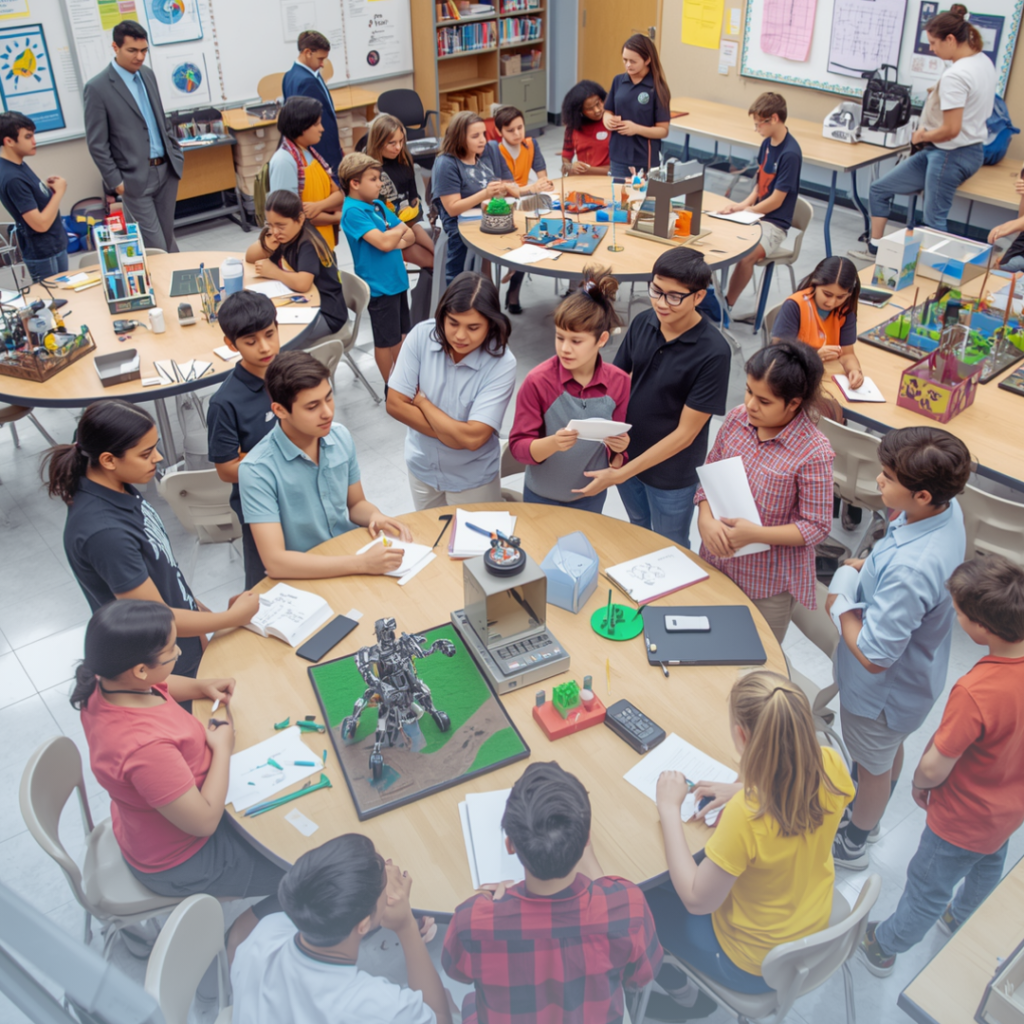
When selecting a science fair project, students should focus on topics that genuinely interest them. A project becomes much more enjoyable when it explores something the student is curious about. Beginners should also choose projects that match their available time, resources, and skill level.
The goal is not to create the most complex project but to understand the scientific concepts behind it and explain them clearly. Judges often value understanding, creativity, and presentation more than complexity.
Tips for Science Fair Success
A successful science fair project requires planning and organization. Students should start early, keep detailed records of their observations, and practice explaining their project before the exhibition. Clear charts, diagrams, and photographs can help make the presentation more engaging.
Most importantly, students should focus on learning and enjoying the process. Every experiment, whether successful or not, teaches valuable lessons about science and problem-solving.
How Igniters Science Club Helps Young Innovators
At Igniters Science Club, learning science goes beyond textbooks. Through hands-on experiments, STEM activities, science exhibitions, and interactive sessions, students gain practical experience and develop scientific thinking skills.
Our weekly sessions are specially designed for students of Classes 6th to 9th, helping them explore exciting scientific concepts in a fun and engaging environment. We encourage students to ask questions, conduct experiments, and develop innovative ideas that prepare them for future success.
Conclusion
Science fairs provide an excellent opportunity for beginners to explore the wonders of science through practical learning. Projects such as water filtration models, balloon rockets, homemade volcanoes, solar ovens, and plant growth experiments help students develop curiosity, creativity, and confidence.
The best science fair projects are not necessarily the most complicated ones. They are the projects that encourage students to think scientifically, solve problems, and enjoy the process of discovery. By participating in science fairs and engaging in hands-on learning experiences, students can develop skills that will benefit them throughout their academic journey and beyond.
At Igniters Science Club, we are committed to making science exciting, meaningful, and fun for every student. Join us and discover how learning science can become an adventure of creativity and innovation.
Leave a Reply